04 November 2026
How can housebuilding embrace Modern Methods of Construction without compromising architectural freedom, longevity or the character of our homes and places? Ibstock joined industry leaders to explore the opportunities and challenges shaping the future of residential construction.
Ibstock recently took part in
Housebuilder & Developer’s
Unlocking MMC in Residential Developments roundtable, bringing together voices from across housebuilding, architecture, manufacturing and the wider construction industry.
Representing Ibstock was Andrew Shepherd, Managing Director, Innovation and Growth, who joined discussions exploring some of the barriers to wider MMC adoption, from procurement and standardisation to planning, design and skills.
One of the most interesting themes to emerge was how the industry can embrace more efficient, manufacturing-led construction without losing the architectural freedom and distinctive character that make places feel like home.
Standardised construction. Not standardised places.
As housebuilding looks towards greater use of MMC, there is a perception that greater standardisation could mean less design freedom.
During the discussion, Andrew challenged the “myth that architects don’t like MMC”, asking how standardised approaches could be deployed “without compromise on architectural freedom and longevity.”
It is an important distinction.
Standardising elements of the way homes are designed, manufactured and assembled does not have to mean every home or development looking the same.
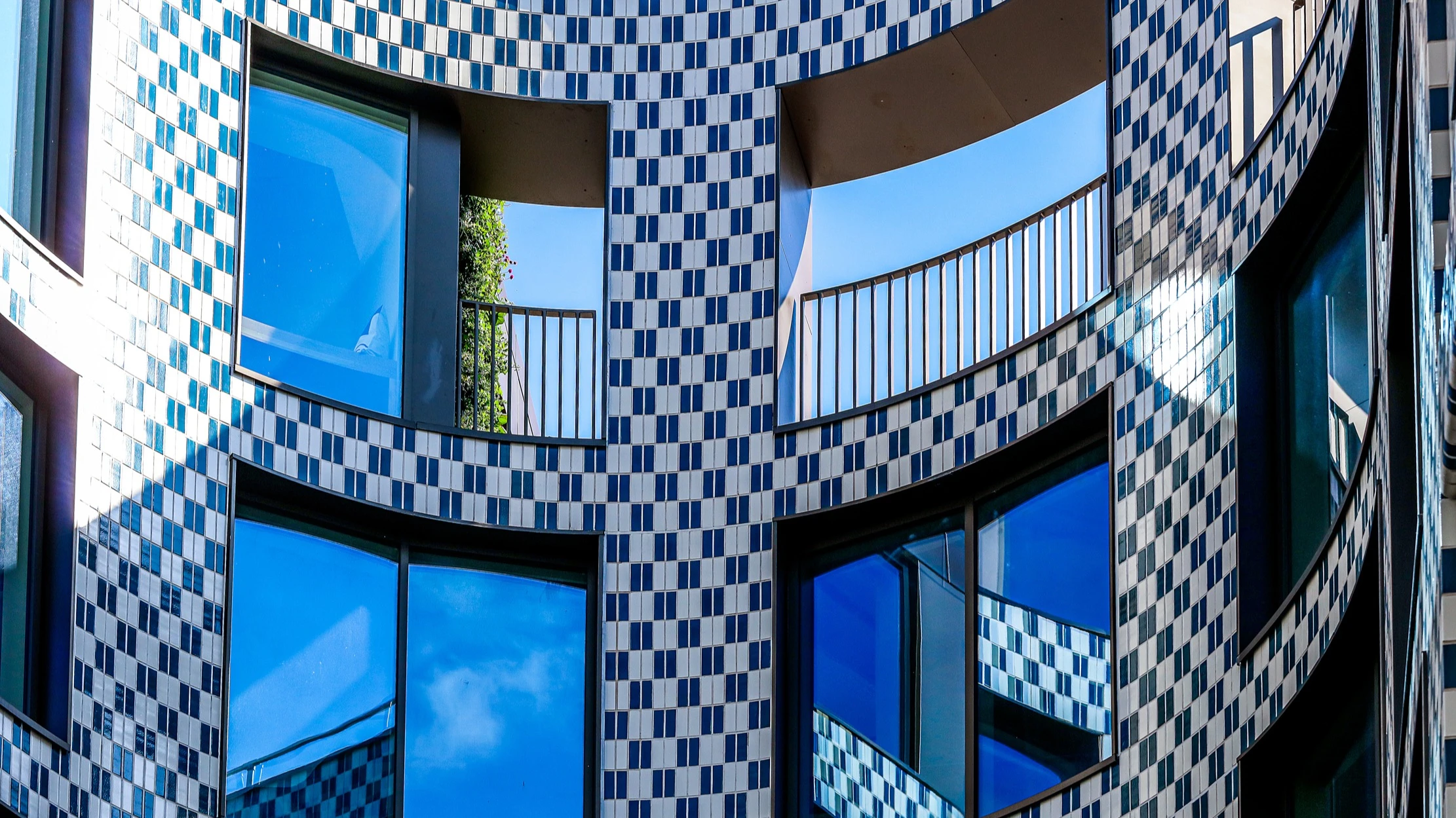
The roundtable explored how some of the UK’s most loved developments are made up of terraces and repeated housing types. Character is not necessarily created by making every home different. Materials, façades, detailing, landscaping and the relationship between homes all contribute to creating a distinctive sense of place.
For Ibstock, this presents an important opportunity. As methods of construction evolve, we can combine greater manufacturing efficiency with the beauty, familiarity and versatility of brick.
Bringing manufacturers into the conversation earlier
The discussion also highlighted the importance of looking at MMC as more than simply a change in construction technique.
Design, manufacture and assembly need to work together, and that makes early engagement across the supply chain increasingly important. Bringing housebuilders, architects, manufacturers and other partners together earlier creates an opportunity to consider the complete home, including its external appearance, alongside decisions about how it will be manufactured and assembled.
This is particularly relevant as housebuilding explores greater use of panelised and timber frame construction.
Considering material and façade choices early can help make sure that efficiency, buildability and architectural ambition are being considered together, rather than one having to adapt to another later in the process.
An Ibstock perspective: Future Homes. Familiar Places.
For us, perhaps the biggest opportunity is to think about future homes, familiar places.
Modernising the way we build shouldn’t mean losing the qualities that make somewhere feel like home.
Brick has long helped shape the character of UK housing, bringing colour, texture, variety and familiarity to our streets and communities. As MMC evolves, we have an opportunity to retain those qualities while embracing new approaches to design, manufacture and construction.
It doesn’t have to be a choice between modern methods and traditional character.
By thinking about construction methods, façades and materials together from the outset, we can embrace greater efficiency and standardisation while continuing to create distinctive homes and places.
The way we build our future homes may change. The character of the places we create doesn’t have to.
Read the full
Unlocking MMC in Residential Developments roundtable discussion in the latest issue of
Housebuilder & Developer.
View latest edition.